

No, Facebook does not own BetterHelp. BetterHelp is owned by Teladoc Health, Inc., a telehealth company offering a range of health services online.
Established in 2013, BetterHelp has grown into one of the largest online counseling platforms, connecting clients with licensed therapists for web therapy.
Despite speculation online, BetterHelp is owned and controlled by Teladoc Health, not Facebook.
Ad, keeps our community free. The perspectives presented on this website are genuinely our own and we do not accept money for reviews.


4.5 (7,802+) FROM TRUSTPILOT
Try BetterHelp
Fill out a brief questionnaire and get matched with an experienced therapist online in as little as 24 hours.
✓ Over 35K licensed professionals
✓ Subscriptions as low as $70/week, billed every four weeks
✓ Financial aid & HSA/FSA
✓ Cancel plan or change therapist anytime
✓ 20% off your first month through Therapy Helpers
Understanding the Confusion
The confusion may stem from online services like BetterHelp using social media heavily for advertising and partnerships.
BetterHelp.com leverages platforms, including Facebook, for marketing, helping reach more people about mental health and online therapy.
However, this marketing relationship should not be seen as ownership or management.
Importance of Clear Ownership

Knowing who owns therapy platforms is important for:
- Trust and Credibility – Clear ownership builds user trust and credibility vital in mental healthcare.
- Privacy Concerns – Independence from Facebook alleviates privacy concerns about data sharing.
- Quality of Care – Ownership influences service quality. Teladoc Health’s telehealth focus suggests a commitment to accessible, quality mental health support through BetterHelp.
Role of Social Media
While no ownership, social media promotes mental health services by:
- Spreading awareness
- Destigmatizing mental health issues
- Directing people to helpful resources like BetterHelp
BetterHelp’s social media presence shows effective modern outreach to those needing online therapy.
Choosing Online Therapy

When considering online therapy, ownership is one of many important factors like:
- Services offered
- Therapist qualifications
- Pricing structures
Transparency, reviews, and endorsements indicate a reputable service. BetterHelp offers convenient teletherapy but ensures it meets your needs.
| Feature | BetterHelp Online Therapy | Traditional In-Person Therapy |
| Accessibility | Accessible from anywhere with an internet connection. | Requires physical visit to a therapist’s office. |
| Convenience | Sessions can be scheduled at flexible times, including weekends and evenings. | Scheduling depends on the therapist’s office hours. |
| Range of Services | Broad range of services including individual, couples, and teen counseling. | Services may vary significantly depending on the therapist’s specialization. |
| Cost | Subscription-based pricing, potentially more affordable than traditional therapy. | Typically charged per session, possibly higher depending on the therapist’s rates. |
| Therapist Matching | Automated matching with the option to change therapists easily. | Requires researching and selecting a therapist independently. |
| Communication Methods | Text, voice, video, and email communications available. | Primarily face-to-face communication. |
| Wait Times | Often shorter wait times to start therapy. | Wait times can vary, sometimes requiring weeks to get an appointment. |
Future of Online Therapy and Social Media Integration

Looking towards the future, the relationship between online therapy platforms like BetterHelp and social media networks presents an intriguing landscape for mental health accessibility and advocacy.
While Facebook does not have ownership stakes in BetterHelp, the potential for positive collaboration exists, especially in awareness campaigns and mental health education. Social media can serve as a powerful tool in:
- Normalizing mental health discussions
- Reducing stigma
- Pointing users toward valuable resources like online therapy
The future may hold more integrated solutions, where social media platforms and online therapy services collaborate more closely to provide seamless access to mental health resources.
While maintaining strict privacy and ethical standards, imagine a scenario where social media platforms use sophisticated algorithms to:
- Identify users expressing mental health needs
- Gently guide them towards resources like BetterHelp
Such partnerships could revolutionize how people access mental health support, making it more:
- Immediate
- Accessible
- Less stigmatized
As we continue to navigate the evolving landscape of digital mental health services, the collaboration between social media platforms and online therapy services like BetterHelp could play a pivotal role in shaping a future where mental health support is as readily available as a click on a screen.
The key will be maintaining a balance between:
- Leveraging the reach and power of social media for good
- Upholding the highest standards of privacy, security, and ethical practice in mental health care.
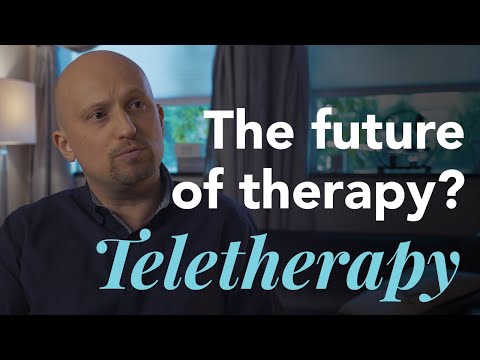
BetterHelp 2026: Latest Updates on Insurance, Access & Mental Wellness Insights
Insurance & Financial Accessibility
• BetterHelp online therapy costs around $70-100 per week billed on a monthly or weekly basis, or an average co-pay of $23 per session for insurance-eligible members. www.betterhelp.com/online-therapy
• BetterHelp is currently working with insurance carriers to expand coverage across the United States. Check back to see when your state gets added. (Currently available in-network in 21 states) www.betterhelp.com/insurance
• 137,000+ people used HSA/FSA to pay for BetterHelp in 2024. Use your FSA/HSA debit card like any other debit or credit card on the payment page to pay directly for your therapy sessions. www.betterhelp.com/hsa-fsa-for-therapy
Privacy & Security
• Full data rights: request copy or permanent erasure directly in account settings. HIPAA Notice of Privacy Practices applies to PHI for insured members.
• BetterHelp.com recently received HITRUST certification, recognized as the industry gold standard for information protection and assurance. www.betterhelp.com/privacy
State of Stigma (May 2025)
• BetterHelp’s first global State of Stigma Report (May 2025) surveyed 16,000+ people across 23 countries: 76% agree mental health care resolves personal problems, ~75% say seeking support is wise, yet nearly 3 in 4 see societal attitudes as discouraging, and ~60% hesitate due to stigma. Gen Z faces higher barriers (e.g., 37% view therapy seekers as “mentally weak,” 56% mild/moderate anxiety). References 2024 outcomes (72% symptom reduction) without new stats. www.betterhelp.com/state-of-stigma-report-2025
Social Impact
• The Future of Mental Health Scholarship awards 10 college students studying psychology or related fields with $10,000 each towards their education. www.betterhelp.com/social-impact
Feel Lighter Campaign & Strava Partnership
• BetterHelp’s “Feel Lighter” global campaign (launched early 2026) promotes therapy as preventative mental wellness (“gym for the mind”), featuring an active Strava partnership where users logging activity challenges (e.g., 100 minutes in set periods) receive 30% off their first month of therapy. www.betterhelp.com (homepage or blog for current promotions)
Note: Insurance, pricing, and aid availability vary by location — always confirm the latest details on the linked pages.
Conclusion
In summary:
- Facebook does not own BetterHelp. It is owned by Teladoc Health.
- Clarifying ownership alleviates user concerns about privacy, quality, and credibility.
- While vital for marketing, social media is separate from therapy services.
- Informed decisions require understanding these distinctions.
As online mental healthcare evolves, credible and transparent providers like BetterHelp can support people in accessible ways.






excellent piece of content, thanks!
i found it very helpful