

This guide will explain BetterHelp’s insurance network policy, out-of-pocket expenses, maximizing coverage, and address frequently asked questions.
Understanding BetterHelp’s Insurance Network

Many therapists on BetterHelp currently work with leading insurance companies. Depending on your location, some counselors may participate in your specific insurance network. Those using insurance benefits generally have a copay around $19 for each appointment.
BetterHelp has focused efforts on providing some of the most affordable and comprehensive online therapy solutions on the market, with over 2.5 million members globally.
BetterHelp also offers financial assistance programs and accept payments from Flexible Spending Accounts (FSAs) and Health Savings Accounts (HSAs) for those who qualify.
Some of the most popular U.S. insurers that may provide mental health coverage or may partially reimburse for online therapy sessions are:
- Aetna
- Cigna
- United Healthcare
- Many Blue Cross Blue Shield plans
BetterHelp.com does not accept PPO, EPO, or HMO plans.
Self-funded employer plans may also provide their own mental health coverage with clinics that they are contracted with, or possibly have a clause to reimburse members partially or in full for online therapy with platforms like BetterHelp.
Ad, keeps our community free. The perspectives presented on this website are genuinely our own and we do not accept money for reviews.


4.5 (7,802+) FROM TRUSTPILOT
BetterHelp
Fill out a brief questionnaire and get matched with an experienced therapist online in as little as 24 hours.
✓ Over 35K licensed professionals
✓ Subscriptions as low as $70/week, billed every four weeks
✓ Financial aid & HSA/FSA
✓ Cancel plan or change therapist anytime
✓ 20% off your first month through Therapy Helpers
BetterHelp HSA/FSA Coverage
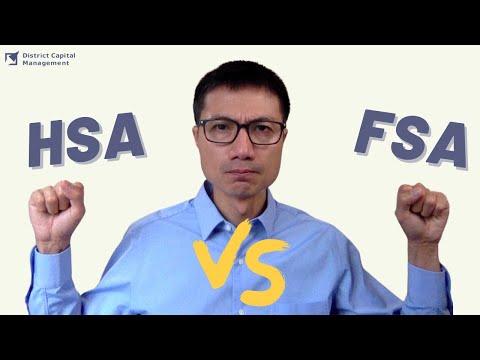
BetterHelp does accept eligible HSA and FSA plans.
What’s covered by HSA & FSAS?
Save money on your online therapy sessions with FSAs and HSAs.
These tax-advantaged accounts let you set aside pre-tax dollars for eligible healthcare expenses, including some online counseling services.
Here’s a quick breakdown:
- FSAs:
- Set up by your employer.
- Save a portion of your paycheck pre-tax.
- Use funds for out-of-pocket healthcare, including online therapy.
- Limited annual contribution (check your employer’s plan).
- May lose access if you change jobs.
- HSAs:
- For individuals with high-deductible health plans.
- Save pre-tax dollars for qualified medical expenses.
- Portable – take it with you if you change jobs.
- Eligibility requirements apply (e.g., not on Medicare).
Not all employers offer FSAs or HSAs. Check with your HR department to see if you’re eligible.
By using FSAs or HSAs, you can significantly reduce the cost of online therapy and prioritize your mental health.
Bonus tip: Ask your therapist if they accept FSA or HSA payments for even greater savings!
Erica Barnes, Researcher
HSA vs. FSA for Online Therapy
| Feature | HSA | FSA |
|---|---|---|
| Eligibility | High-deductible health plan | Offered by employer |
| Contributions | Pre-tax from paycheck | Pre-tax from paycheck |
| Tax benefits | Funds grow tax-free, withdrawals for qualified expenses tax-free | Contributions and withdrawals for qualified expenses tax-free |
| Portability | Portable, take it with you | Not portable, stays with employer |
| Use-it-or-lose-it | No, funds roll over year to year | Yes, unused funds may be forfeited |
| Online therapy | May be covered, check with therapist | May be covered, check with therapist and employer plan |
Ad, keeps our community free. The perspectives presented on this website are genuinely our own and we do not accept money for reviews.

4.5 (7,802+) FROM TRUSTPILOT
Try BetterHelp
Fill out a brief questionnaire and get matched with an experienced therapist online in as little as 24 hours.
✓ Over 35K licensed professionals
✓ Subscriptions as low as $70/week, billed every four weeks
✓ Financial aid & HSA/FSA
✓ Cancel plan or change therapist anytime
✓ 20% off your first month through Therapy Helpers
BetterHelp Financial Aid

If you’re facing financial barriers and your insurance plan is not eligible, BetterHelp offers financial aid based on your income.
- When you arrive on BetterHelp’s website and sign up, you’ll be presented with an option to take a quick survey to assess your eligibility, and you might be eligible for discounted therapy sessions.
Don’t hesitate to call billing and customer service for more details – they’re here to help you navigate the process and access the support you deserve.
Out-of-Pocket Costs and Payment Options
Without insurance, BetterHelp offers affordable therapy that costs $70-100 per week.
Various payment options are available (Visa/MasterCard/Paypal), including month-to-month and the ability to pause or cancel anytime.
BetterHelp also offers financial assistance for those facing financial hardship. Overall, BetterHelp can cost significantly less than traditional in-office counseling.
Maximizing Your Insurance Coverage
If BetterHelp doesn’t directly accept your insurance plan, once enrolled, verify with your insurance if BetterHelp online therapy is reimbursable by your plan.
Submit claims to get reimbursed for therapy costs based on your plan’s mental health benefits.
Out-of-network plans may provide some coverage. Remember to get pre-authorization if required.
Common FAQs about BetterHelp and Insurance

Does insurance fully cover BetterHelp?
BetterHelp may be covered by your insurance plan, depending on location, — co-pays average about $19/session for eligible members. Some plans without mental health coverage or with high deductibles may not cover or only cover a portion of BetterHelp.
What about Medicare?
Currently, Medicare does not cover BetterHelp services. Check if secondary insurers provide coverage.
How are out-of-network plans handled?
You’ll pay full price out of pocket and submit claims for potential reimbursement. Reimbursement rates vary based on the insurer; some reimburse up to 50%.
How much does BetterHelp cost without insurance?
$70-100 per week, billed every four weeks. This is an upfront cost if not using insurance or any financial aid.
Tips for Using Insurance with BetterHelp

First and foremost, check insurance plan details thoroughly, then follow these steps:
1. Compare deductibles, copays, and coinsurance
- This will help you understand potential out-of-pocket costs for using BetterHelp. Also, verify visit limits for therapy.
- Get Preauthorization for Coverage
2. Touch base with your insurer beforehand
- Some plans may require preapproval of BetterHelp services. This confirms coverage details.
3. Focus on Long-Term Mental Health
- Invest in your emotional wellbeing
- While paying out-of-pocket may be difficult at first, managing your mental health will pay off tremendously in the long run. Think long-term.
Conclusion

BetterHelp makes professional counseling accessible to millions worldwide. Verifying insurance coverage can help significantly reduce out-of-pocket expenses associated with therapy.
Neither BetterHelp nor therapists on the BetterHelp Platform submit claims to Medicare or Medicaid. Services offered using this site are covered with some major insurance providers (depending on location) and not covered by Medicare or Medicaid.
Consider scheduling an initial consultation to learn more. BetterHelp also offers financial assistance if needed.
Prioritizing mental health is important whether insurance is utilized or not.
References
- Psychology Today, Cost and Insurance Coverage. https://www.psychologytoday.com/us/basics/therapy/cost-and-insurance-coverage
- HealthCare Insurance MarketPlace, https://www.healthcare.gov/
- What is a HSA? https://www.cms.gov/marketplace/outreach-and-education/health-savings-account.pdf
- What is FSA? https://www.healthcare.gov/glossary/flexible-spending-account-fsa







Patient-centric insurance should prioritize individual needs, delivering personalized care, improving health outcomes, and enhancing patient satisfaction and trust.